
Reducing food waste at home is a smart way to save money, conserve resources, and protect the environment. Every year, millions of tons of food end up in landfills, contributing to unnecessary pollution and economic loss. The good news is that small changes in your daily habits can make a big difference. In this post, we’ll explore practical and easy ways you can reduce food waste right in your own kitchen.
Why It Matters to Reduce Food Waste
Before diving into tips, it’s helpful to understand why reducing food waste is important:
– Environmental Impact: Food production uses water, energy, and land. When food is wasted, these resources are wasted too.
– Greenhouse Gases: Decomposing food in landfills produces methane, a potent greenhouse gas.
– Economic Savings: Wasting food means wasting money spent on groceries.
Now, let’s get into how you can start reducing food waste at home.
Plan Your Meals and Shopping
Create a Weekly Meal Plan
Planning your meals for the week helps you buy exactly what you need. This reduces impulse purchases and prevents excess food from spoiling.
– Write down meals and snacks for each day.
– Check your pantry and fridge before shopping.
– Adjust plans based on leftovers to avoid cooking more than necessary.
Make a Shopping List and Stick to It
Having a list keeps you focused and helps avoid buying items “just in case.” Consider these tips:
– Prioritize fresh produce you can consume within the week.
– Buy loose fruits and vegetables so you can select the right quantity.
– Avoid bulk buying perishable items unless you have a plan to use them.
Store Food Properly
Proper storage can extend the life of your food and keep it fresh longer.
Use Clear Containers
Transfer food to transparent containers to easily see what you have. This helps prevent forgotten food from going bad.
Understand Storage Needs
Different foods require different storage:
– Keep fruits and veggies separate, as some fruits emit gases that can spoil vegetables.
– Store herbs in water like flowers or wrap in damp paper towels.
– Use airtight containers for bread and baked goods.
Organize Your Fridge
Put newer groceries behind older ones to use up food before it expires. This simple habit helps reduce spoilage.
Use Leftovers Creatively
Leftovers are a great way to reduce waste and save time.
Repurpose Ingredients
Transform leftovers into new meals, such as:
– Turning roasted vegetables into soups or frittatas.
– Using stale bread for croutons or breadcrumbs.
– Mixing leftover rice or grains into salads or stir-fries.
Keep a Leftover Night
Designate one night a week to enjoy leftovers, preventing them from being forgotten.
Monitor Expiration Dates and Use “First In, First Out”
Keep an eye on expiration and best-by dates. Use food in the order you bought it (“first in, first out”) to avoid spoilage.
Understand Date Labels
– “Best before” indicates peak quality, not safety.
– Use your senses to check freshness—smell, look, and texture are good guides.
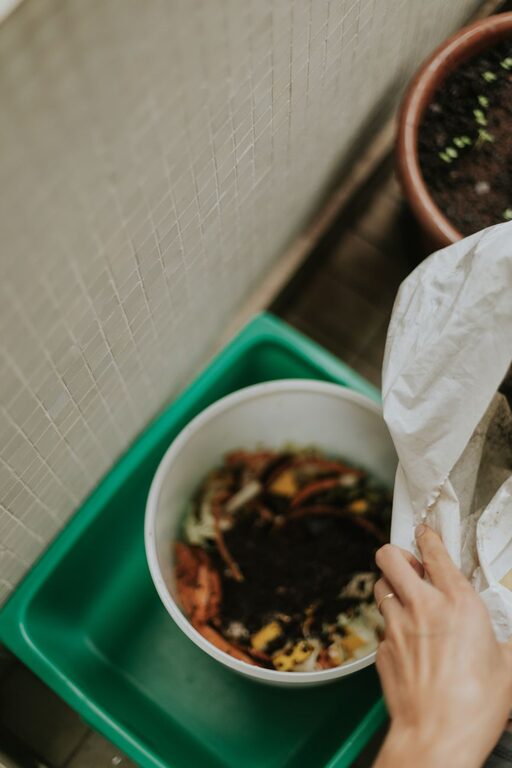
Compost Food Scraps
Not all food waste can be avoided, but composting helps reduce landfill contributions.
– Collect fruit and vegetable peels, coffee grounds, and eggshells.
– Use a compost bin or check if your community offers compost collection.
– Compost enriches your garden soil, closing the loop on food waste.
Avoid Overcooking and Serve Appropriate Portions
Cooking more than you need can lead to excess food waste.
– Use measuring tools or recipes to guide portions.
– Serve smaller amounts and allow for seconds rather than plating large portions initially.
Donate Surplus Food
If you have excess non-perishable food or surplus fresh items, consider donating to local food banks or community organizations.
Conclusion
Reducing food waste at home is easier than you might think. With thoughtful shopping, proper storage, creativity with leftovers, and composting, you can cut down on waste significantly. These simple actions not only benefit your wallet but also the planet. Start small, and you’ll be surprised how much impact your efforts can make over time. Happy cooking and saving!