
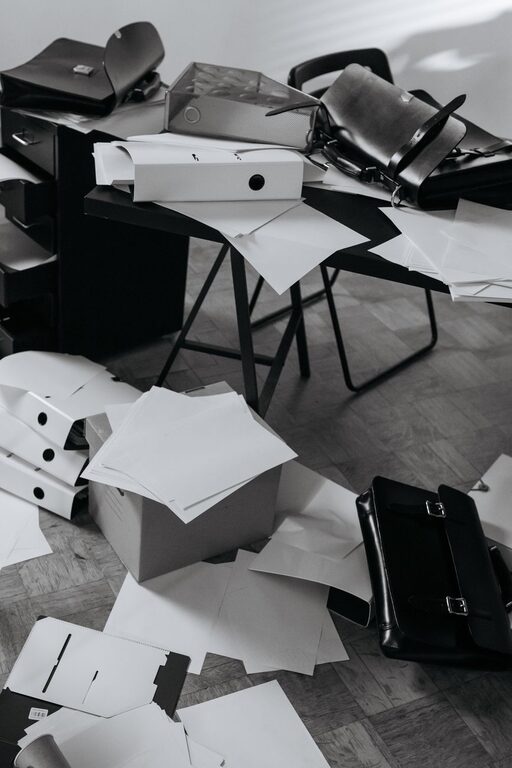
Household paper clutter can quickly overwhelm your living spaces, making it harder to find what you need and creating unnecessary stress. Fortunately, reducing paper clutter doesn’t have to be complicated or time-consuming. With a few simple habits and practical tips, you can enjoy a tidier, more organized home. In this post, we’ll explore easy ways to manage and reduce household paper clutter effectively.
Why Reduce Paper Clutter?
Before diving into solutions, it’s helpful to understand why minimizing paper clutter matters:
– Saves Space: Paper piles can take up valuable surface and storage areas.
– Reduces Stress: Cluttered spaces often affect mental well-being.
– Improves Organization: Easier to locate important documents.
– Promotes Environmentally Friendly Practices: Cutting down on paper usage helps reduce waste.
Step 1: Sort and Categorize Your Paper
Start by gathering all your loose papers in one place. Sorting helps you decide what to keep and what to toss.
Create Simple Categories
– Important documents: Passports, birth certificates, tax records.
– Bills and receipts: Utilities, purchases, warranties.
– Mail: Junk mail, invitations, newsletters.
– Miscellaneous: Kids’ school papers, recipes, coupons.
Use folders, trays, or boxes labeled clearly to separate these categories. This initial step makes it easier to manage your papers moving forward.
Step 2: Go Digital Where Possible
Digitizing papers reduces physical clutter and often makes retrieval easier.
Scan Important Documents
Invest in a basic scanner or use smartphone apps designed for scanning. Save files in organized folders on your computer or cloud storage.
Switch to Paperless Billing and Statements
Contact service providers and banks to opt for electronic bills and statements. This can significantly cut down incoming paper.
Use Digital Note-Taking Apps
Replace paper notes and lists with apps like Evernote, OneNote, or simple note apps on your phone.
Step 3: Establish a Mail-Handling Routine
Mail is one of the biggest contributors to paper clutter. Setting up a routine can prevent piles from building up.
Sort Mail Immediately
Designate a spot near the entry where you open and sort mail daily or several times a week.
Recycle Junk Mail Right Away
Avoid letting junk mail sit by recycling it immediately. You can also register for services that reduce unsolicited mail.
Keep a To-Do Folder
For mail requiring action, such as bills or invitations, use a specific folder or tray. Check it regularly and clear it once dealt with.
Step 4: Create a Paper Management System
Having a clear system helps maintain order over time.
Use a Filing Cabinet or Portable File Box
Keep important documents in labeled folders organized by type or date.
Implement the “One In, One Out” Rule
For every new piece of paper you keep, remove one you no longer need. This helps maintain balance.
Designate a Paperwork Station
Set up a small area with supplies like pens, sticky notes, a shredder, and recycling bin. This encourages handling paper promptly.
Step 5: Regularly Declutter and Purge
Paper clutter returns if you don’t regularly review what you keep.
Schedule Monthly or Quarterly Reviews
Go through your files and discard anything outdated or no longer useful.
Shred Sensitive Documents
Protect your privacy by shredding papers with personal information you no longer need.
Step 6: Be Mindful About Paper Usage
Reducing paper clutter starts with using less paper.
Use Both Sides of Paper
When printing or writing notes, make the most of each sheet.
Make Use of Reusable Dry-Erase Boards or Chalkboards
Great for grocery lists and reminders without paper waste.
Opt for Digital Tickets and Coupons
Whenever possible, use e-tickets and electronic coupons instead of printed versions.
Bonus Tips: Involving the Whole Family
Paper clutter affects everyone, so involve family members in organizing habits.
– Assign responsibilities like mail sorting or digitalizing school papers.
– Educate children about minimizing paper waste.
– Make organization a shared routine by setting up regular “paper check-in” times.
—
By implementing these straightforward steps, you can significantly reduce household paper clutter. Over time, these small changes create a more organized home environment that is easier to maintain. Remember, the key is consistency—regularly managing your paper will help keep clutter at bay and your space feeling calm and tidy.