
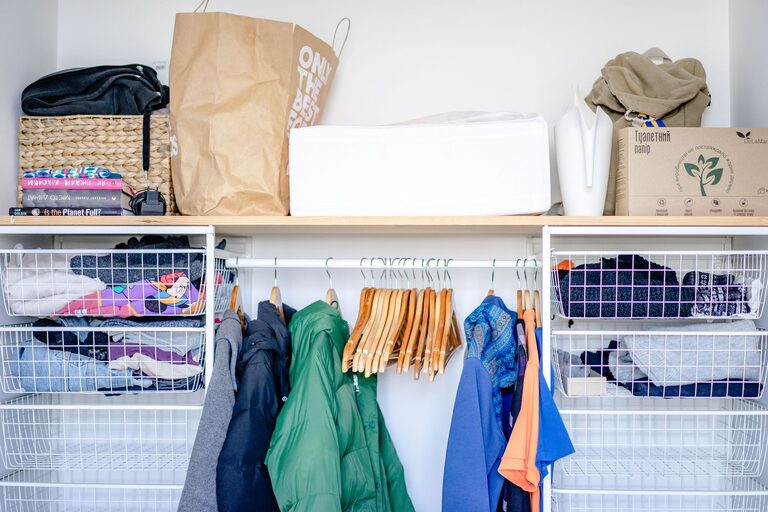
Storing seasonal clothes efficiently can save you time, space, and hassle throughout the year. Whether you’re packing away winter coats or stashing summer dresses, having a system in place not only keeps your wardrobe organized but also protects your garments from damage. In this guide, we’ll explore practical strategies to store your seasonal clothes neatly, ensuring they stay fresh and ready for their next use.
Why Efficient Seasonal Clothes Storage Matters
When you only wear certain clothes part of the year, it makes sense to store the rest thoughtfully. Proper storage helps you:
– Maximize your closet and home space
– Protect clothes from dust, moisture, and pests
– Keep garments wrinkle-free and in good condition
– Make it easier to find what you need when the seasons change
Step 1: Sort and Declutter Before Storing
Before you pack away clothes, take time to sort through them.
Sort by Category and Condition
Separate your clothes into categories such as tops, pants, outerwear, and accessories. Check each item for stains, tears, or worn areas. Clothes that need repairs or cleaning should be taken care of now so they’re ready to wear next season.
Donate or Sell What You Don’t Need
If you have pieces you no longer wear or don’t fit, consider donating or selling them. This reduces clutter and makes space for the clothes you truly want to keep.
Step 2: Clean Clothes Thoroughly
It’s important to wash or dry clean clothes before storing. Dirt, sweat, and oils can attract insects and cause stains over time.
– Follow care labels to avoid damaging fabrics
– Make sure items are completely dry before packing to prevent mildew
– Use gentle detergents for delicate fabrics
Step 3: Choose the Right Storage Containers
Selecting the proper storage containers can make a big difference.
Clear Plastic Bins
Clear bins are great because you can see what’s inside at a glance. Look for ones with tight-fitting lids to keep out dust and pests.
Garment Bags
Breathable garment bags work well for hanging delicate items like dresses or suits. Avoid plastic bags, which can trap moisture.
Vacuum-Seal Bags
Vacuum-seal bags reduce the volume of bulky items like winter coats or sweaters. However, use them sparingly because compressing some fabrics for long periods can damage fibers.
Storage Boxes with Dividers
These help separate small items like scarves, hats, and gloves, keeping everything organized in one place.
Step 4: Use Proper Folding and Packing Techniques
How you fold and pack your clothes affects how well they hold up in storage.
Fold Carefully
Avoid sharp creases by folding along natural seams. For knitwear, fold loosely to retain shape.
Layer Items Thoughtfully
Place heavier items on the bottom of storage bins and lighter ones on top to prevent crushing.
Use Acid-Free Tissue Paper
Slip tissue paper between delicate garments to prevent color transfer and fabric wear.
Pack Accessories Separately
Keep belts, jewelry, and other accessories in small pouches or boxes to avoid tangling or damage.
Step 5: Optimize Storage Space
Make the most of your storage area with these ideas:
Store in a Cool, Dry Place
Avoid attics or basements prone to temperature fluctuations and humidity. A closet, under-bed storage, or a dedicated storage room are ideal.
Label Everything
Clearly label boxes or bins by category or season. This saves time when you’re ready to swap clothes.
Use Shelves and Under-Bed Containers
Shelves free up floor space, while slim containers fit under beds for discreet storage.
Rotate Seasonal Clothes Efficiently
When it’s time to change your wardrobe, swap out clothes systematically. This helps keep your closet fresh and avoids unnecessary clutter.
Step 6: Protect Your Clothes From Pests and Odors
Keeping clothes safe means preventing damage from bugs and musty smells.
Use Natural Repellents
Cedar blocks, lavender sachets, or rosemary bags can deter moths and other pests without harsh chemicals.
Avoid Mothballs
Mothballs are effective but have a strong odor and contain chemicals that may not be safe around children or pets.
Ensure Good Air Circulation
Don’t cram storage bins completely full. Leave some space for air to flow and prevent musty odors.
Step 7: Check and Refresh Storage Periodically
Don’t just stash your clothes and forget them until next season. Every few months:
– Inspect stored items for damage or moisture
– Air out fabrics if needed
– Replace natural repellents as they lose scent
Bonus Tips for Seasonal Clothes Storage
– Use slim velvet hangers to save space and prevent slipping for hanging items.
– Roll lighter clothes like t-shirts to save space and reduce wrinkles.
– Store shoes in clear boxes with photos on the outside so you can identify them quickly.
– Keep a small laundry basket or bag nearby to collect clothes needing cleaning before storage.
—
By following these tips, you can keep your seasonal clothes organized, clean, and ready to wear whenever the weather changes. Efficient storage not only preserves your wardrobe but also helps you maintain a tidy home. Give your clothes the care they deserve, and enjoy a clutter-free closet all year long!